How to Choose Slip-Resistant Tile for an ADA Curbless Shower
How to choose slip-resistant tile for an ADA curbless shower: for an ADA curbless shower, start with a wet-rated tile and a design that supports drainage…
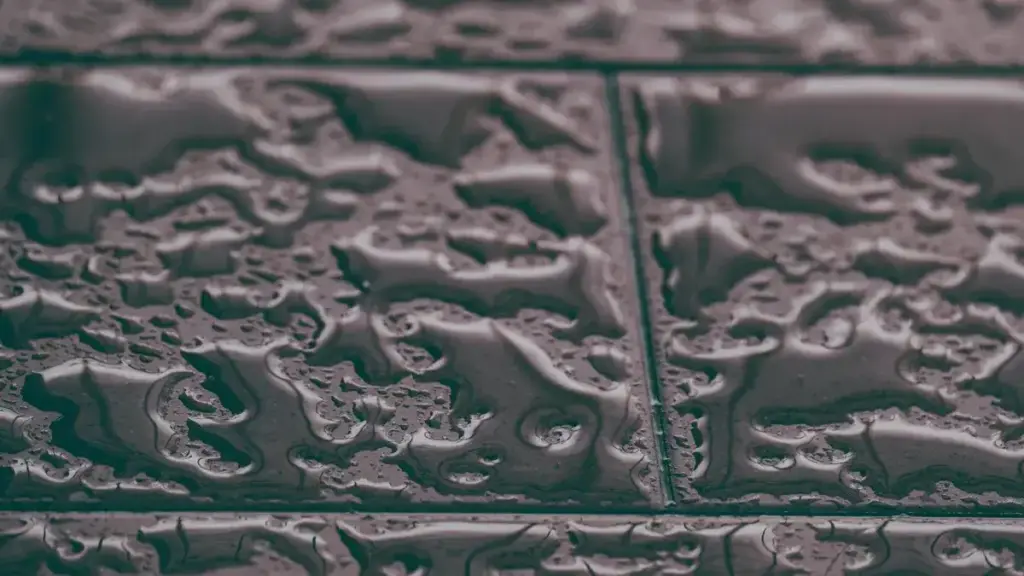
close-up of wet textured tile surface
Last updated: November 15, 2026
Quick Answer: for an ADA curbless shower, start with a wet-rated tile and a design that supports drainage; 0.42 DCOF is a common screening point, not a final answer. Slip-resistant tile for an ADA curbless shower should be chosen for wet barefoot traction, not just a good spec sheet. The right floor usually means a tile that meets ANSI A326.3 wet testing and has enough grout joints or surface texture to help feet stay planted. This guide settles which tile types fit that job, and which ones don’t.
Key Takeaways
- Wet barefoot traction matters more than looks.
- Small mosaic tile often adds the most underfoot grip.
- Follow a simple selection order instead of guessing from color.
- Tile, grout, slope, and cleaning all affect long-term traction.
Start with wet traction, not a pretty finish
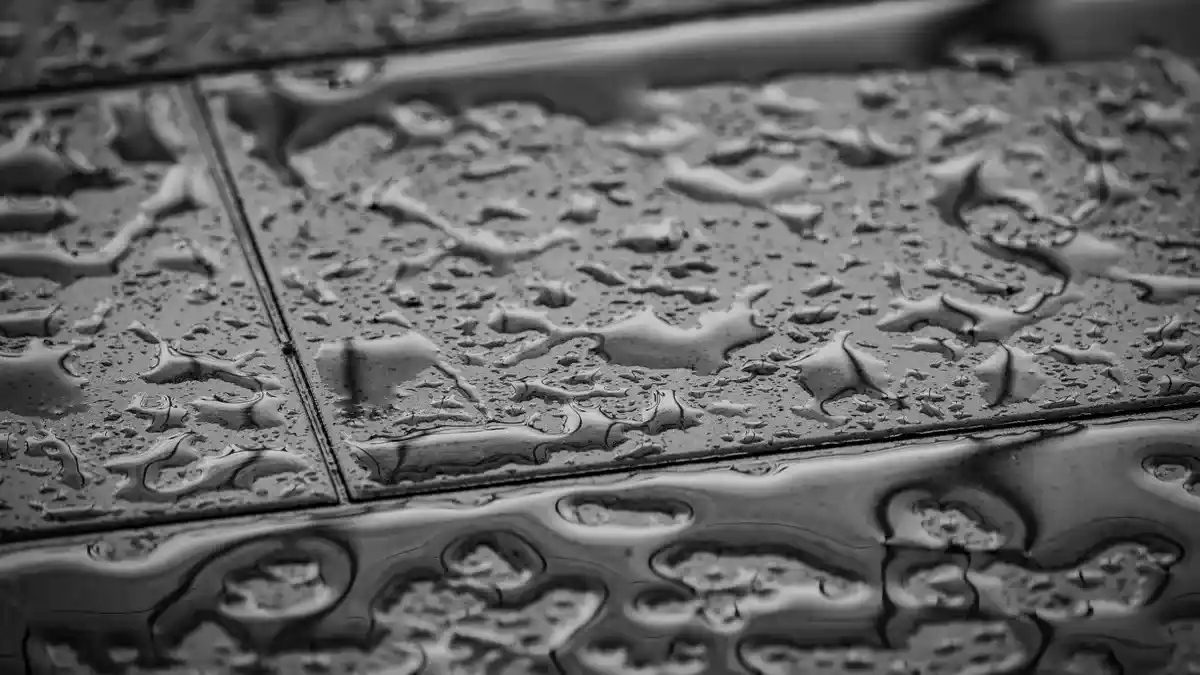
Picture this: you’re choosing a floor tile for a curbless bath, and every sample looks good under store lights. The real question is how it behaves with water on it, because barefoot wet slip safety is the part that matters most.
The standard name to know is ANSI A326.3. It is the test method tied to DCOF, or dynamic coefficient of friction, and it gives you a way to compare tile under wet conditions instead of guessing from marketing language. A common spec target you’ll see is 0.42 DCOF for wet areas, but that number is not the whole story. For an actual project, consult a tile professional or installer before you treat that number as enough on its own, and use the ANSI A326.3 guidance as the starting point.
Here’s the catch: an ADA curbless shower is not just a slippery-floor problem. It’s also a drainage problem, a turning-radius problem, and a transfer-surface problem. That’s why the tile choice has to work with the rest of the floor build. For the bigger layout rules, the curbless shower dimensions guide on this site is the right next stop.
Use these rules first:
- Look for a tile that names ANSI A326.3 or an equivalent wet test, not just “slip resistant.”
- Treat 0.42 DCOF as a screening point, not a guarantee; confirm the full installation with a tile professional.
- Favor surfaces that still feel grippy when soapy water is present.
- Assume glossy tile is a bad fit unless the manufacturer gives a very clear wet-traction rating.
The truth is, many tile brochures talk about style before traction. Flip that order. In a curbless shower, traction comes before finish.
What DCOF tells you, and what it doesn’t
Because you may be comparing two porcelain tiles, a higher DCOF number helps, but it does not tell the full story of how the floor will feel under a barefoot step or a rolling chair.
DCOF measures wet dynamic friction, which is useful because a foot or wheel is moving, not standing still. It is a better fit than old “static” talk for shower floors. Still, a single number cannot capture the whole use case, especially in a curbless setup where water, soap, shampoo, and body oils all change the surface.
That is why the best tile choice for this job is usually a combination of material, texture, and joint pattern. A tile with decent DCOF but a slick glazed face can still feel wrong. A smaller tile with more grout joints can feel safer even when the tile body itself is not dramatic on paper.
Watch for these common mistakes:
- Using a wall tile on the floor because the color matches.
- Reading a DCOF number without checking whether it was tested wet.
- Assuming one high number solves everything.
- Ignoring grout joints, which add traction in real use.
Good questions to ask a tile sheet
- Is the tile rated under ANSI A326.3?
- Is the published value for wet use?
- Is the finish matte, textured, or polished?
- Is the tile approved for floor use, not just wall use?
A lot of generic advice stops at “choose a textured tile.” That’s too vague. You need a published wet-traction basis, then you need to judge how the surface behaves when it’s wet, soapy, and stepped on at an angle. For more installation context, see the ADA curbless shower guide and the bathroom tile planning guide.
Which tile type works best on an ADA curbless shower floor?
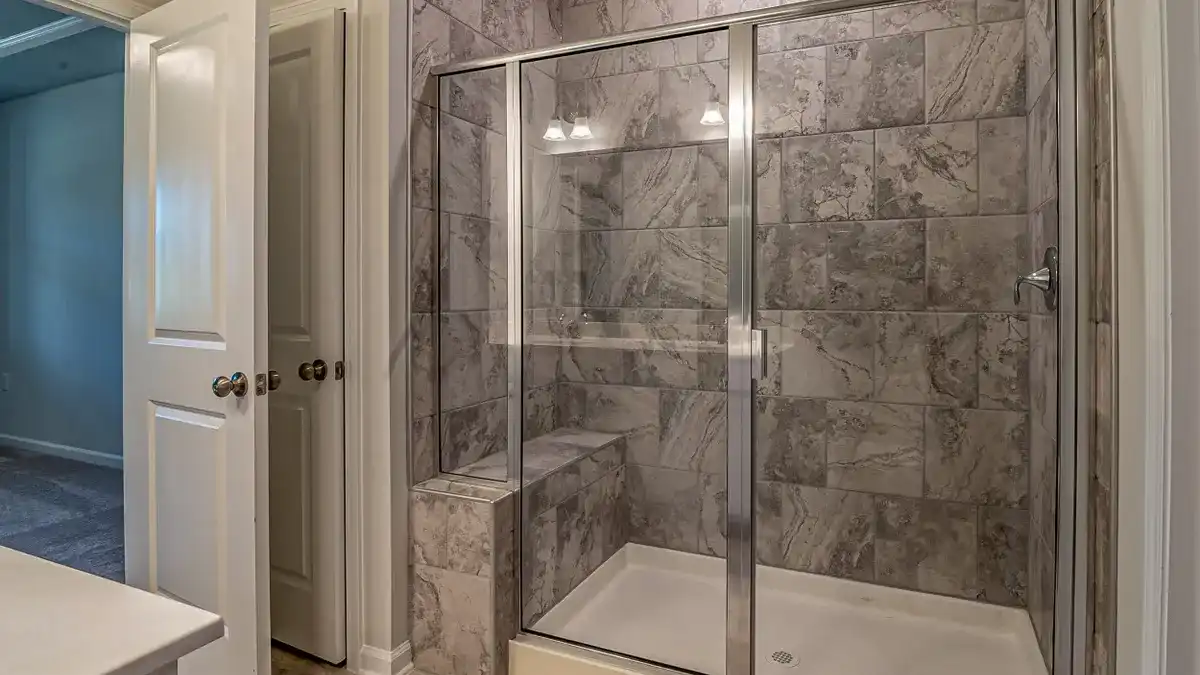
Because you’re choosing between an unglazed mosaic tile, matte porcelain tile, and a larger glossy porcelain tile, the small mosaic is often the strongest starting point for a curbless shower floor. It usually gives more grout joints and more edge contact underfoot.
Unglazed mosaic tile is a practical starting point for many curbless shower floors. The many small pieces create a busier surface, and the grout lines help add traction. A 2-by-2-inch mosaic is common because it bends well over a sloped base and gives a dense joint pattern. That said, mosaics can be harder to clean, and the many joints need proper sealing and upkeep.
Matte porcelain tile is the next practical option. It can work well if the manufacturer gives a solid wet rating and the surface has real bite, not just a dull look. The drawback is simple: a matte face can still be too smooth when soap film builds up, and larger pieces give fewer grout joints to help feet and wheels.
Avoid a glossy large-format tile on the shower floor. It may look clean and modern, but it usually gives you the least forgiveness in wet barefoot use. In a curbless layout, that trade-off is rarely worth it.
Use this short comparison:
- Unglazed mosaic tile: best grip potential, more grout, more cleaning work.
- Matte porcelain tile: good middle ground, depends heavily on the exact surface.
- Glossy large-format tile: strongest “looks good” case, weakest safety case.
One more point: grout joint traction matters more here than it does in a dry bath floor. A tile floor with 1/8-inch or smaller joints can feel very different from a mosaic field with many edges, even if both are porcelain. For layout details, the curbless shower dimensions guide helps connect tile size to slope and drainage.
How to choose the right tile in 5 steps
Because you’re in a showroom with a tile sample in one hand and a floor plan in the other, the right choice comes from a simple sequence, not from guessing based on color alone.
- Start with the wet standard. Ask for the tile’s ANSI A326.3 documentation or wet DCOF data. If the seller cannot give you a clear wet-use answer, move on.
- Prefer small-format pieces. A 2-by-2-inch mosaic usually gives more joint traction than a big field tile. Smaller pieces also follow the slope of a curbless base more naturally.
- Check the surface finish in raking light. Hold the sample near a window or under strong side light. If it reflects like glass, it is usually a poor floor choice.
- Read the maintenance burden. More joints mean more grout and more cleaning. If you want the easiest upkeep, a matte porcelain mosaic is often a better compromise than an aggressive texture.
- Match the tile to the user. If the space will be used by someone with limited balance, the safer floor is usually the one with the most predictable barefoot grip, even if it is less dramatic visually.
Who this is not for: if you want a showpiece floor with almost no visible joints, this is the wrong hunt. That look tends to fight the traction goals of a curbless shower.
Because the wet sample test comes first, the rest of the decision gets simpler once you rank the options. The options that fail the first screen can leave the table fast.
What matters more than the tile: grout, slope, and cleaning
Because a good tile can still feel sketchy after a few weeks, grout joint traction, drainage slope, and cleaning decide whether that traction stays useful.
A curbless shower floor needs water to move away cleanly, or even a good tile can feel slick. If water lingers, the surface never gets a fair chance to stay safe. That is why tile selection and shower-base design have to work as one system.
Grout joint choice matters too. A denser joint field can help traction, but grout that is too soft or badly maintained can wear down and defeat the point. Use a grout system meant for wet floors, and keep the cleaning plan realistic. A floor with many 2-inch mosaic joints will ask for more attention than a simple large-format field.
Common failures to avoid:
- Choosing a high-traction tile and then using a sealer or cleaner that leaves residue.
- Picking a very rough surface that traps grime and becomes harder to maintain.
- Ignoring the slope and letting water sit in one corner.
- Using a grout joint width that fights the tile format or the base layout.
This is where many generic tile guides go wrong. They talk about slip resistance as if it lives only on the surface. In a curbless shower, the surface is only part of the answer. For more planning, see the ADA curbless shower guide and the curbless shower dimensions guide.
When not to pick the highest-texture tile
Because you may be tempted by the roughest sample on the board, remember that the roughest tile is not always the best tile. Very coarse surfaces can hold soap scum, body oils, and mineral buildup more easily than a moderate matte finish. That matters in a space where the floor gets wet every day.
Skip the most aggressive texture if:
- You want easy cleaning and low residue build-up.
- The user will sometimes transfer on bare skin and needs a surface that feels steady, not scratchy.
- The tile is so rough that it is hard to wipe clean in a few passes.
On the flip side, do not let “easy to clean” talk push you into a polished surface. The sweet spot is usually a matte porcelain or unglazed mosaic that balances grip and upkeep.
If you are balancing wheelchair use with barefoot use, remember that rolling resistance and slip resistance are not the same thing. A tile can feel fine under a wheel and still be a poor choice for a wet foot, or the reverse. That is why this page focuses on shower floor traction, not on the whole bathroom floor.
For standards and technical backing, start with the ANSI A326.3 test method and the ADA material on accessible bathing spaces at ADA.gov. The Tile Council of North America also publishes practical guidance on tile performance and installation details. Those sources will not choose the tile for you, but they tell you which claims deserve trust.
What if the tile looks right but the data is thin?
Pass on it. A tile with no clear wet-use evidence is a gamble, and an ADA curbless floor is not the place for one.
What if the tile has a good DCOF but a glossy face?
Treat it with caution. The number helps, but glossy surfaces can still feel slick when wet soap is present.
What if the mosaic seems harder to clean?
That’s the trade-off. More joints usually help traction, but they also ask for more scrubbing and better grout care.
What if I want the simplest rule?
Choose a matte, wet-rated mosaic first. It gives the best mix of traction clues, drainage compatibility, and real-world forgiveness for most curbless shower floors.
What DCOF rating is required for an ADA curbless shower?
There is no single ADA rule that says one wet DCOF number automatically makes a curbless shower compliant. ANSI A326.3 is the key test method, and many specs use 0.42 DCOF as a wet-use benchmark, but that figure does not replace the rest of the accessible design. Floor slope, drainage, and installation details still matter.
Does small mosaic tile prevent slipping in a roll-in shower?
Small mosaic tile helps, but it does not guarantee safety. A 2-by-2-inch mosaic often gives better barefoot grip than a large glossy tile because the grout joints add traction and the surface breaks up water film. The tile still needs a wet rating, a proper slope, and cleaning that keeps soap residue from building up.
Drafted with AI; not yet reviewed by a person.